
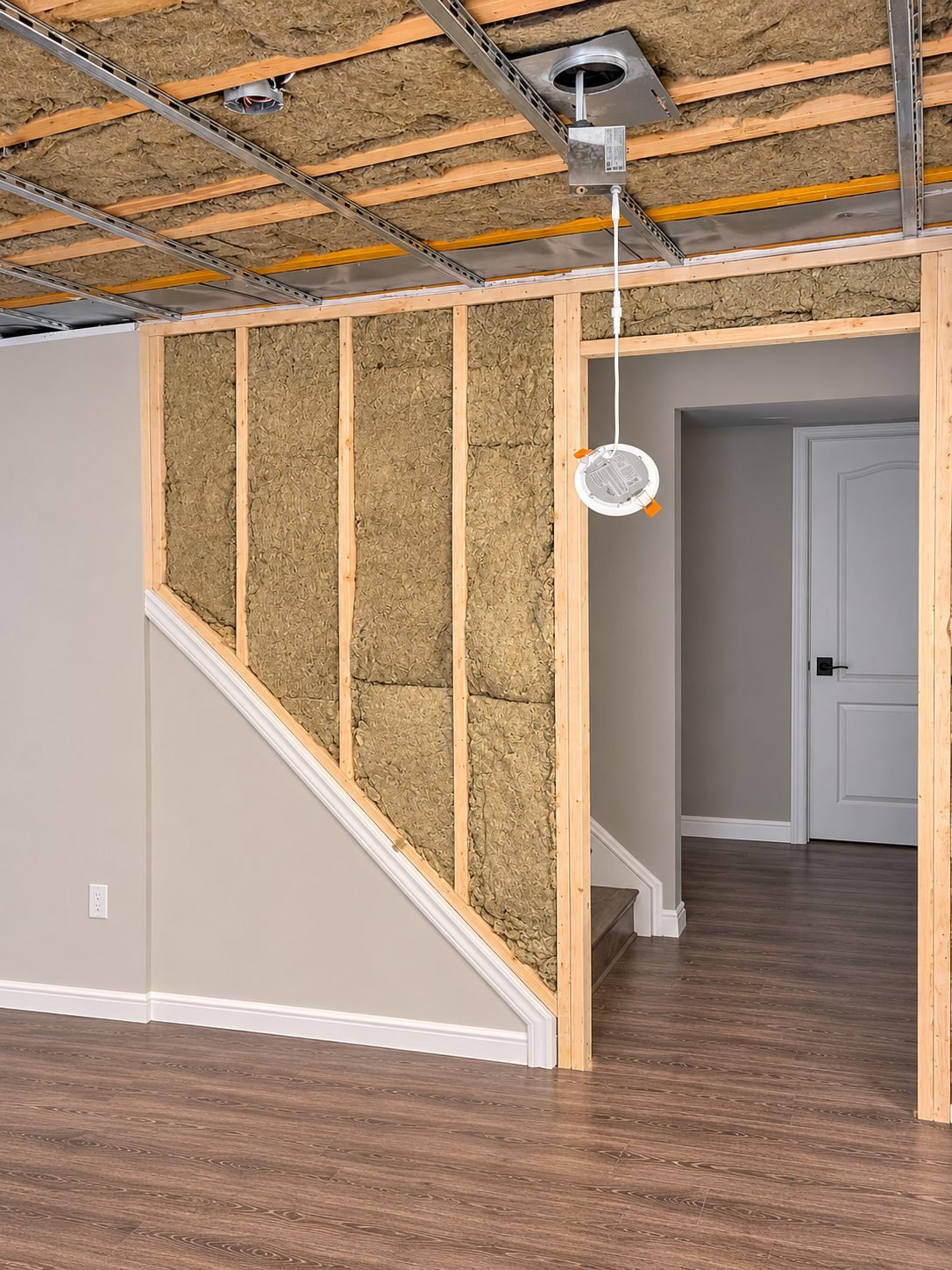
About our plumbing, electrical and hvac service
Older homes often have knob-and-tube or aluminum wiring, a 100-amp panel and an old furnace. We upgrade these systems on their own or as part of a larger renovation, using licensed trades and the required permits.
In Ontario, electrical work must be done by a licensed electrical contractor and inspected by the Electrical Safety Authority (ESA). Heat pumps, insulation and other energy upgrades may qualify for rebates. Adding a basement apartment? It may need its own furnace, ductwork or electrical panel.
What's included
Plumbing
- Rough-in and finish plumbing
- Water heater and tankless installation
- Water line and drain replacement
Electrical
- Rewiring (knob-and-tube, aluminum replacement)
- Panel upgrades (100A to 200A)
- EV charger installation
- Lighting and smart home wiring
Heating and cooling
- Furnace and AC installation
- Heat pumps
- Ductwork changes and new runs
- Ventilation (HRV / ERV)
Energy upgrades
- Attic and wall insulation
- Rebate-eligible energy retrofits
- Solar panel installation
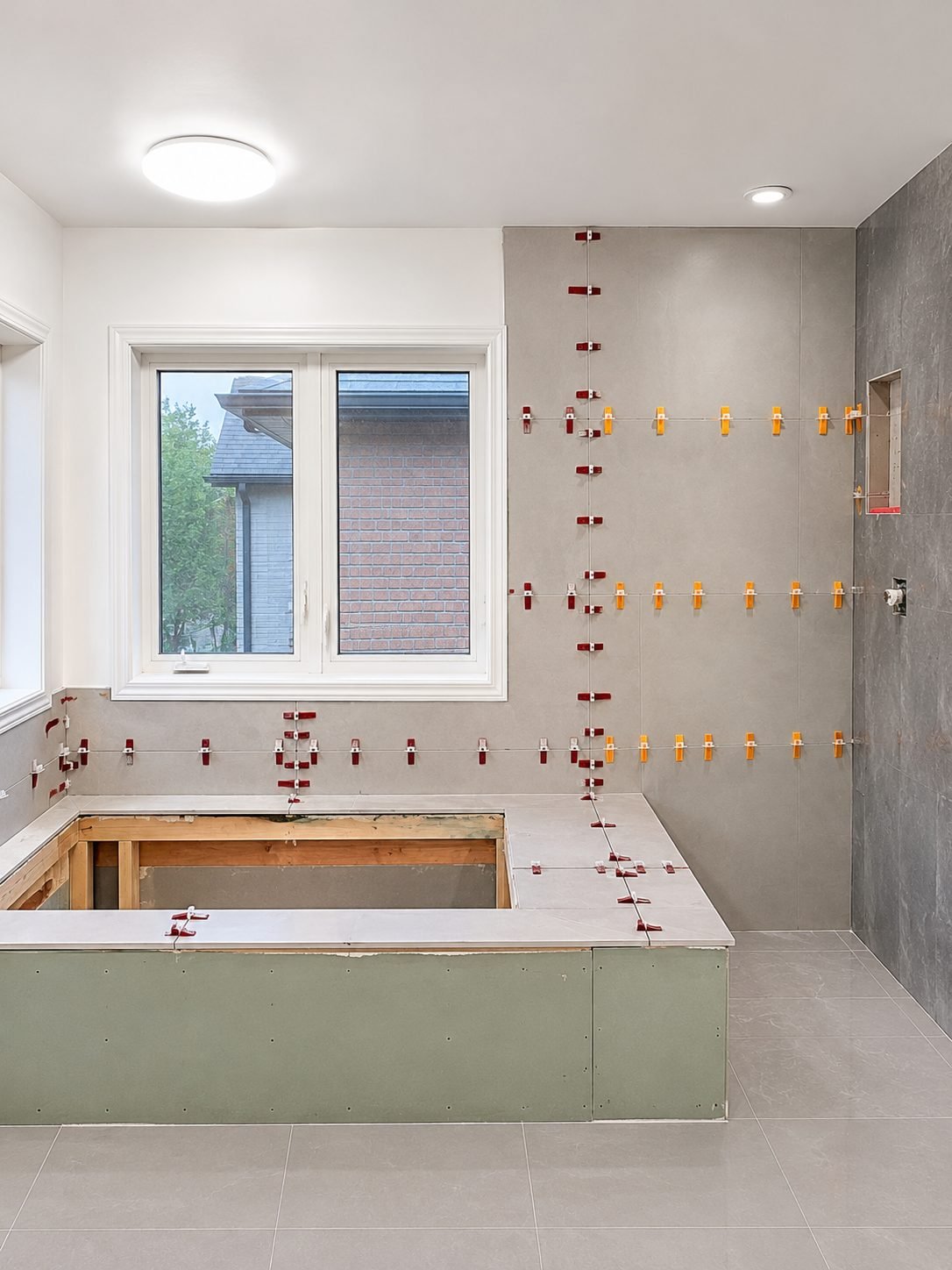
How your project runs
Site visit
We look at the space, talk through your goals and check zoning and permit needs.
Drawings and estimate
You get a written, itemized estimate and a schedule. We prepare drawings and permits.
Build
One project manager runs the trades and keeps you updated each week.
Inspect and hand over
We book every inspection and walk you through the finished work.
When your home needs electrical, plumbing or HVAC upgrades
Most older homes reach the end of their original systems around the same time. A house built before the 1960s in Hamilton's older neighbourhoods, central Kitchener or the Galt area of Cambridge often still has some knob-and-tube wiring, a 60A or 100A service, galvanized steel or even lead water piping, and a furnace sized for a house with no insulation. Newer homes in Brampton, Stoney Creek or the Kitchener suburbs usually have sound wiring and plumbing but may need more electrical capacity and a better heating system.
These signs tell us a system needs attention:
- A fuse box, or a panel with no free breaker spaces and lots of doubled-up circuits
- Breakers that trip when the microwave and kettle run together
- Two-prong outlets, warm switch plates or flickering lights
- Low water pressure, rusty water or a grey, non-magnetic pipe where water enters the house (a sign of lead)
- A furnace older than about 15 to 20 years, rooms that never get warm, or rising gas bills
- Plans for an EV charger, heat pump, hot tub, basement apartment or addition
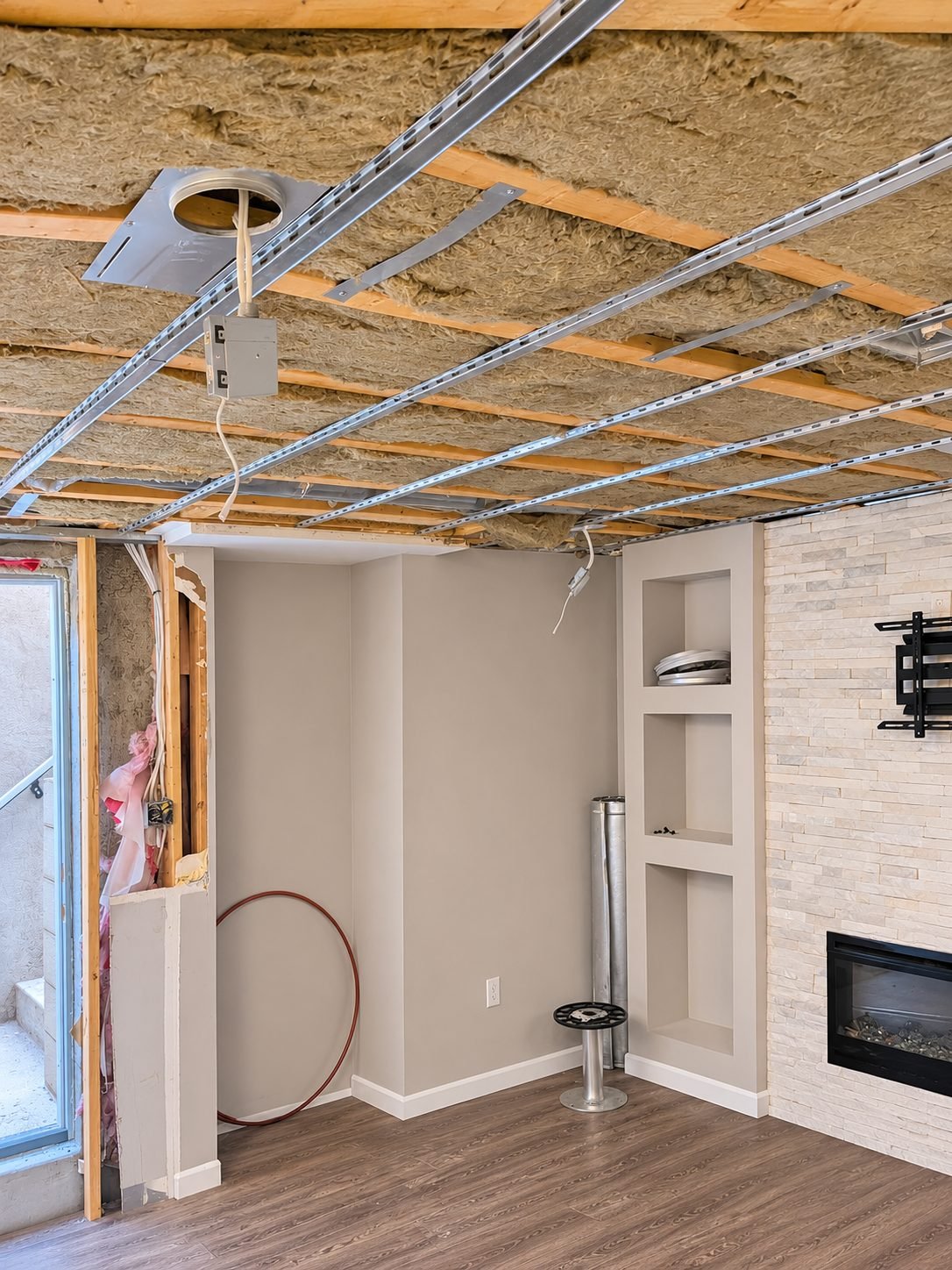
Upgrading during a renovation costs much less than upgrading later. When walls and ceilings are already open for a kitchen or basement, new wiring, pipes and ducts go in without extra drywall repair.
What electrical, plumbing and HVAC upgrades cost in Hamilton, Brampton and Kitchener-Waterloo
Mechanical and electrical prices depend on how much wall and ceiling we have to open, the size of the house, and what the utility or the city requires. The table shows typical 2026 ranges for Hamilton, Brampton and Kitchener-Waterloo, before HST and before any rebates.
| Upgrade | Typical range | What moves the price |
|---|---|---|
| 100A to 200A service and panel upgrade | $2,500 to $6,000 | New meter base or mast, moving the panel, underground service, grounding |
| Level 2 EV charger (no service upgrade) | $1,500 to $3,500 including the charger | Distance from the panel, garage vs driveway, load management device |
| Knob-and-tube rewiring | $10,000 to $30,000+, plus drywall and paint | House size, number of storeys, access from attic and basement, asbestos or vermiculite |
| High-efficiency gas furnace | $4,500 to $8,000 | Size, venting changes, ductwork repairs |
| Cold-climate heat pump, ducted (whole house) | $12,000 to $24,000 | Capacity, duct changes, electrical upgrade, hybrid vs all-electric |
| Ductless mini-split | $4,000 to $8,000 for one zone; more for multi-head systems | Number of heads, line set length, wall type |
| Tankless water heater | $3,500 to $6,500 | Gas line size, venting route, condensate drain |
| Backwater valve (Hamilton, before the city grant) | About $1,300 to $2,500 plus the permit | Mainline vs adapt-a-valve, floor type, access to the drain |
Use these numbers for early budgeting only. We give an exact price after a site visit, once we have seen the panel, the mechanical room and how the services enter the house.
ESA permits and licensed electrical contractors in Ontario
In Ontario, electrical work for someone else must be done by a Licensed Electrical Contractor (LEC). Before the work starts, the contractor files a notification with the Electrical Safety Authority (ESA), which is the electrical permit. When the work is done, an ESA inspector reviews it, and you receive a Certificate of Acceptance once it passes.
Keep that certificate. Insurers often ask for it after a rewire or service upgrade, and buyers' lawyers and home inspectors may ask for it when you sell. ESA's guide to hiring a licensed contractor explains how to look up a contractor's licence number before you sign anything.
What the inspection covers
On a renovation, ESA usually inspects twice: a rough-in inspection with walls open, and a final inspection with devices and covers on. Electrical inspections are separate from city building inspections, so a renovation with a building permit has both, and we schedule them so walls are not closed before both inspectors sign off.
Tip: Be cautious of any quote that leaves out the ESA permit or suggests skipping it. Unpermitted wiring can lead to problems with insurance and when you sell, and it may need to be opened up and inspected later.
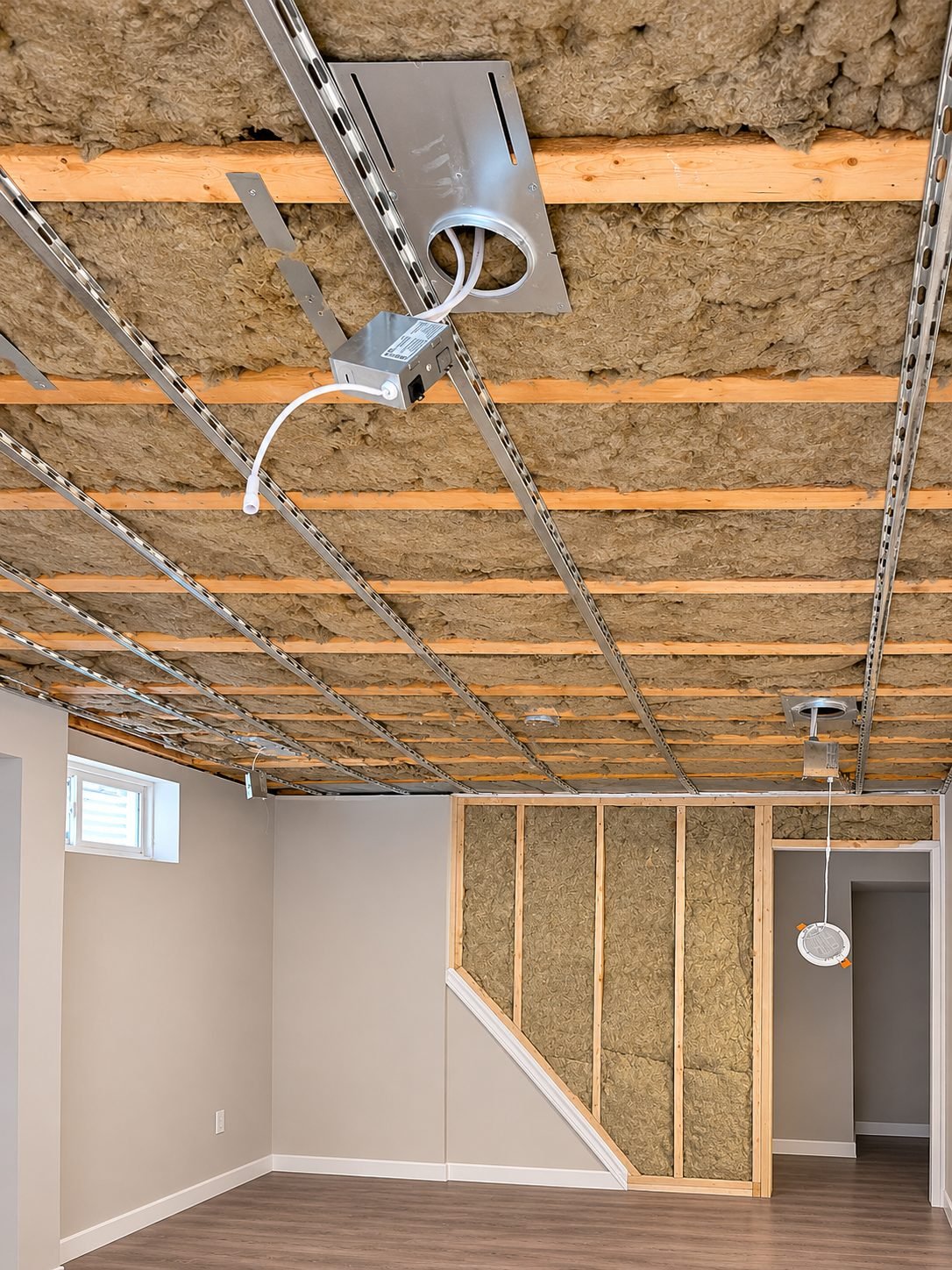
Knob-and-tube and aluminum wiring: safety and home insurance
Knob-and-tube wiring was installed in Ontario homes until about the 1940s. ESA says it can be safe if it has been properly maintained, but it has no ground wire, its insulation becomes brittle with age, and it was never meant to be buried in modern insulation. The bigger practical problem is insurance: according to ESA's knob-and-tube page, many insurers will not cover or renew a home that still has it, and some require replacement first.
Aluminum branch wiring was used in many homes built from the mid-1960s to the late 1970s, including subdivisions across Hamilton, Brampton, Kitchener and Cambridge. The wire itself is permitted. The risk is at connections, where aluminum expands, oxidizes and loosens over time. ESA's aluminum wiring guidance says to use only devices and connectors approved for aluminum, and notes that some insurers want an ESA inspection and Certificate of Acceptance.
How we handle a rewire
- The electrician traces every circuit and lists what is live, what is abandoned and what can stay.
- We plan routes through closets, attic and basement to keep wall openings small, and we patch and paint as part of the job when you choose.
- Kitchen, bathroom and laundry circuits are brought up to current Code with the required GFCI and AFCI protection.
- ESA inspects, and you get the certificate to send to your insurer.
A full rewire of an occupied two-storey house typically takes 1 to 3 weeks of electrical work, plus drywall repair. If you are already planning a whole-home renovation, rewiring during the gut stage is faster and cheaper.
200A service upgrades, EV chargers and load calculations
A service upgrade starts with a load calculation under the Ontario Electrical Safety Code. It adds up your heating, cooking, laundry, water heating, air conditioning and any new loads such as an EV charger or heat pump. If the total fits your existing service, you may not need an upgrade at all.
For a single EV charger, a load management device can be an alternative. It reduces or pauses charging when other large appliances run, so a 100A house can sometimes add a charger without a new service. A heat pump plus an EV charger, or a second unit with its own kitchen, usually does need 200A.
Which utility handles your upgrade
| City | Electric utility |
|---|---|
| Hamilton (including Stoney Creek) and Brampton | Alectra Utilities |
| Kitchener | Enova Power (formerly Kitchener-Wilmot Hydro) |
| Cambridge | GrandBridge Energy (formerly Energy+) |
Check your hydro bill to confirm the utility for your address. GrandBridge, for example, needs a service layout before it will book a crew for an amperage upgrade or a meter base move.
How a 200A upgrade works
- Load calculation and site review, including the meter location and how the service enters the house.
- The electrician files the ESA notification and applies to the local utility.
- The utility schedules a disconnect. This is usually the longest wait, often 2 to 4 weeks.
- On upgrade day, power is off for most of the day while the new meter base, mast or service cable, panel and grounding are installed.
- ESA inspects and the utility reconnects.
Plan on about 3 to 6 weeks from the first call to the final certificate. If the service is overhead and the utility needs to change its wires, or the panel has to move, add time and cost.
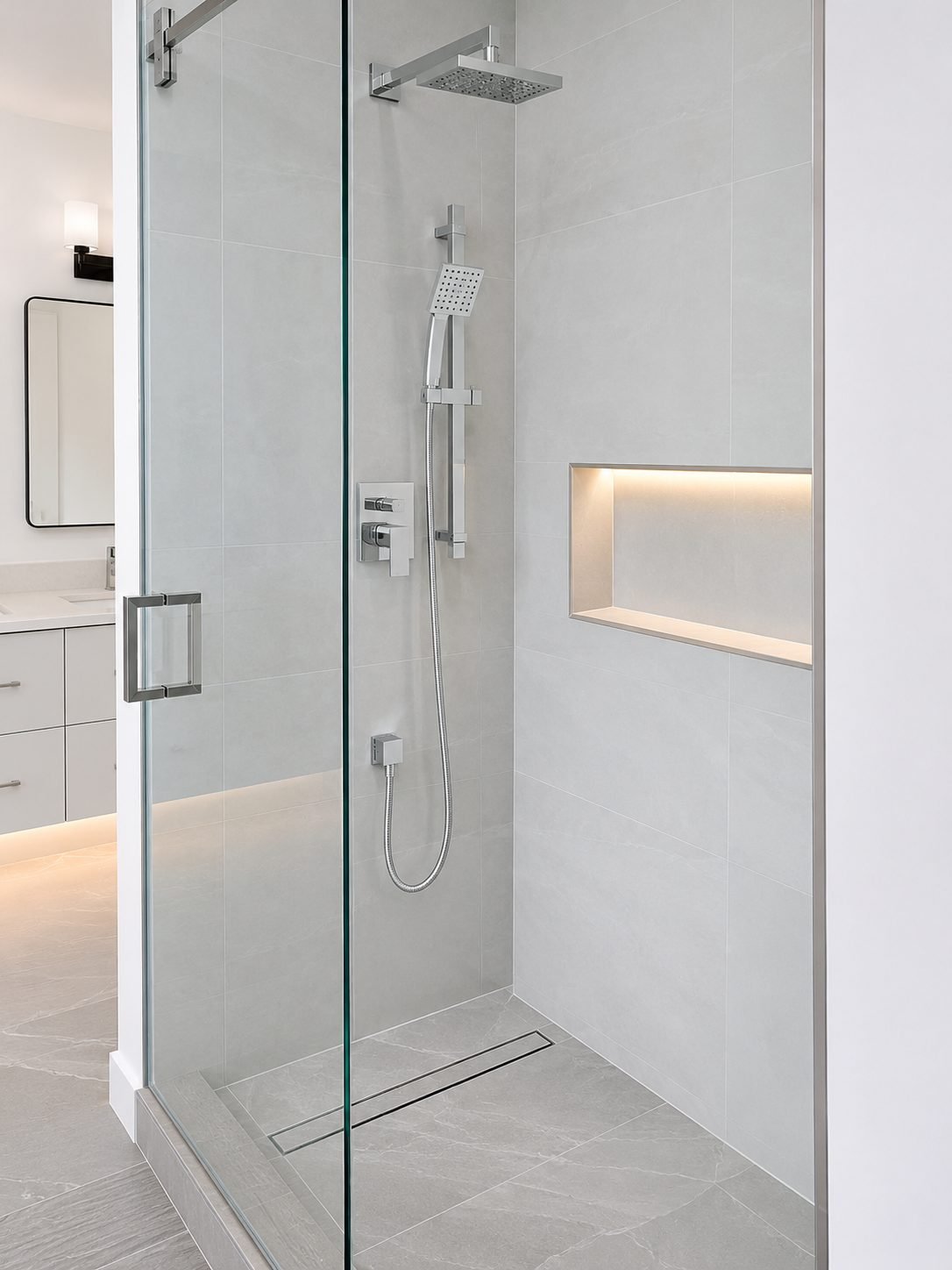
Plumbing upgrades: lead pipes, drains, backwater valves and water heaters
Plumbing work that adds, moves or replaces drains, vents or water supply usually needs a building permit and a plumbing inspection. Swapping a faucet or toilet in the same spot does not. Drain and water line work in older homes is where we most often find surprises, so we camera-inspect the main drain before quoting a basement or bathroom job.
Lead water service replacement in Hamilton
Homes built before the mid-1950s may have a lead water service. Under Hamilton's lead water service replacement program, the city replaces the public section from the watermain to the property line once you replace the private section into the house. The city offers a $3,000 interest-bearing loan for the private side, repaid on your water bill over up to 10 years, and a zero-interest loan for owners enrolled in LEAP or OESP. We replace the private side with copper or approved plastic pipe, and often upsize it to improve pressure. In Brampton, Kitchener and Cambridge, ask the city or regional water department what support is available for your street.
Flood protection and Hamilton's Protective Plumbing Program
A backwater valve stops city sewer water from backing up into the basement, and it needs a building permit in every city we serve. Hamilton's Protective Plumbing Program is still running in 2026. It offers a grant of up to $2,000 toward a backwater valve, with a sump pump eligible when installed alongside the valve, plus downspout disconnection. The grant drops to $500 if you use a contractor outside the city's pre-qualified list. A separate loan of up to $2,000 at 4% is repaid through your property taxes, subject to available funding.
To qualify, the house must be a single-family home built before January 1, 2012, with a basement connected to the city sewer, and your property taxes must be current. The permit must be in place before work starts, and a city inspection is required. Brampton, Kitchener and Cambridge set their own rules, so we check what applies at your address. Pair this work with our waterproofing service when the walls also leak.
Water heaters
Many homes in the area rent their water heater. Before replacing it, check your rental contract for a buyout or removal fee. Tankless gas units need a larger gas line and new venting. Heat pump water heaters cut electricity use sharply and currently qualify for a rebate through the Home Renovation Savings Program when bundled with other upgrades.
Heat pumps, furnaces and the Home Renovation Savings Program
Cold-climate air source heat pumps now heat efficiently well below freezing, with many models rated for useful output at −25 °C or colder. They also replace your air conditioner. In a southern Ontario house there are three common setups:
- Hybrid (dual fuel): a heat pump does most of the heating and cooling, and a gas furnace takes over on the coldest days. This keeps your existing gas service and is the easiest switch.
- All-electric ducted: a heat pump with electric backup heat replaces the furnace. It often needs a 200A service.
- Ductless mini-splits: wall or ceiling heads for homes with hot water radiators, additions or a basement unit.
Proper sizing matters more than the brand. We size equipment from a room-by-room heat-loss calculation, which the city also requires when HVAC is part of a permitted renovation. Gas work on furnaces, water heaters and gas lines must be done by licensed gas technicians working for a TSSA-registered contractor.
Rebates available now
As of November 2026, the Home Renovation Savings Program (run by Save on Energy and Enbridge Gas) offers these single-upgrade rebates without an energy assessment:
- Cold-climate air source heat pump: $1,250 per ton up to $7,500 for homes heated by electricity, oil, propane or wood; $500 per ton up to $2,000 for homes heated with Enbridge natural gas
- Ground source heat pump: up to $12,000, or $3,000 for gas-heated homes
- Attic insulation: $1,250. Smart thermostat: $100
With a home energy assessment and two or more upgrades, you can also claim insulation (up to $7,700), air sealing, ENERGY STAR windows and doors ($100 per opening) and heat pump water heaters ($500). Heat pump rebates need pre-approval through a participating HVAC contractor before installation, and the unit must be on the federal qualified products list. Check the program's heat pump page for current amounts, because they change.
Tip: Most Kitchener homes get natural gas from Kitchener Utilities, not Enbridge. The program's assessment bundle is limited to Enbridge customers for gas-heated homes and points Kitchener Utilities customers to that utility's own rebates, so we confirm your eligibility before you commit. Hamilton, Brampton and Cambridge homes are generally Enbridge customers.
Insulation, air sealing and ventilation
Insulation and air sealing should come before, or with, a new heating system. A tighter house needs a smaller heat pump or furnace, which lowers the equipment cost and the monthly bills. Many older attics in Hamilton and Waterloo Region have R-12 to R-20 of insulation, well below the roughly R-60 that current Building Code packages target for new homes.
Before adding insulation, we seal holes into the attic around pot lights, stacks, bath fans and the hatch. If the attic has loose, grey-brown vermiculite, it may contain asbestos. Do not disturb it; it needs testing and, if positive, removal by an abatement company.
As houses get tighter, fresh air has to come in on purpose. A heat recovery ventilator (HRV) or energy recovery ventilator (ERV) brings in outdoor air and exhausts stale air while recovering most of the heat. An HRV is a common choice when a gut renovation tightens up an older house or a basement unit gets its own heating.
How the work happens, and living in the house during it
- Assessment. We look at the panel, meter, main shut-off, drains, furnace and ducts, and note what can stay.
- Design and quotes. Load calculation, heat-loss calculation and a written scope with equipment models.
- Permits and pre-approvals. ESA notification, building or plumbing permits, utility applications and rebate or city grant pre-approval where needed.
- Rough-in. New wiring, pipes and ducts go in while walls are open, followed by rough-in inspections.
- Finish and commissioning. Devices, fixtures and equipment are installed and tested, final inspections are booked, and we show you how to run the new system.
You can usually stay home during most of this work. Expect planned power shut-offs of a few hours for panel work and one full day for a service upgrade, and water shut-offs while plumbing is tied in. If a heating swap falls in winter, we schedule it so the house is without heat for as short a time as possible, usually a single day.
Questions to ask before hiring for mechanical and electrical work
- Who is the licensed electrical contractor on the job, and what is their ESA licence number?
- Will you file the ESA notification and the building or plumbing permit, and are those fees in the price?
- Can I see the load calculation and the heat-loss calculation?
- Are you a participating contractor for the heat pump rebate, and who files the pre-approval?
- Is drywall repair and painting included after a rewire?
- What workmanship warranty do you give? Ours is 2 years.
- Do you have WSIB coverage and liability insurance? See WSIB's clearance FAQs for how to check.
We have coordinated these trades on renovations since 2020, including new homes and window and insulation upgrades, and our design and permits team handles the drawings and calculations. To get started, send us your panel photo, furnace label and a short description through the free quote form.
Plumbing, electrical and HVAC: common questions
Does my electrical work need an ESA permit?
Most electrical work in Ontario needs a permit from the Electrical Safety Authority, and an inspection when it is done. Our licensed electrical contractor files the notification and books the inspection.
Should I upgrade to a 200-amp panel?
If you are adding an EV charger, a heat pump, a second unit or a large addition, a 100-amp service is often not enough. We do a load calculation to confirm.
Are there rebates for heat pumps and insulation?
Ontario's Home Renovation Savings Program has offered rebates on heat pumps, insulation, windows and other upgrades. Rebates change often, so we check what is available before you buy.
Will my insurance company cover a house with knob-and-tube wiring?
Many insurers will not provide or renew coverage for a home with knob-and-tube wiring, and some require it to be replaced first. Ask your insurer for its rules, and keep the ESA Certificate of Acceptance after the rewire.
Do I need a 200-amp service to install an EV charger?
Not always. A load calculation decides it, and a load management device can let some 100A homes add a Level 2 charger safely. Adding a heat pump or second unit as well usually means upgrading to 200A.
How long does a 200-amp service upgrade take?
The installation itself takes about one day with the power off. From the first visit to the final ESA certificate, plan on roughly 3 to 6 weeks, mostly waiting for Alectra, Enova Power or GrandBridge Energy to schedule the disconnect and reconnect.
Can a heat pump heat my house through a Hamilton or Kitchener winter?
A properly sized cold-climate heat pump can heat most homes in the area on its own, with electric backup for the coldest days. If you prefer, a hybrid system keeps your gas furnace as backup.
Do I lose the heat pump rebate if I install first and apply later?
Yes. The Home Renovation Savings Program requires pre-approval before the heat pump is installed, filed by a participating HVAC contractor. Installations done before approval are not eligible.
Is aluminum wiring dangerous?
The wire is permitted, but connections can loosen and overheat over time if they are made with the wrong devices. A licensed electrician can repair connections with parts approved for aluminum, and an ESA inspection gives you a certificate for your insurer.
Do I need a permit to replace my furnace?
Hamilton and Brampton do not require a building permit to replace an existing furnace when the ductwork is not changed, though the gas work must still be done by a licensed gas technician. New or altered ductwork, or changing the heating source, such as baseboard heaters to a gas furnace in Kitchener, does need a permit.
Is there a backwater valve subsidy in Hamilton?
Yes. Hamilton's Protective Plumbing Program offers a grant of up to $2,000 for eligible single-family homes built before 2012, plus an optional loan. The valve needs a building permit before work starts and a city inspection before it is covered up.
Helpful resources
Official guidance we follow on every plumbing, electrical and hvac project:
- Hire a licensed electrical contractor — Electrical Safety Authority
- Home Renovation Savings Program rebates — Enbridge Gas and Save on Energy